


According to experts, the new tax may encourage consumers to make less frequent but larger purchases in order to reduce the tax share per product.
From 1 July this year, the European Union (EU) plans to tax small parcels arriving from China.
Starting 1 July, a fixed customs duty will be introduced in the EU on small consignments purchased from Chinese online stores with a value not exceeding €150. According to current information, this is a temporary measure providing for a €3 customs duty per product category. The measure is planned to apply until 1 July 2028, when the European Commission will reassess its impact.
The aim is to reduce the volume of small parcels and increase the average value per shipment. Currently, the average parcel value is €5–6.
Example
If a €6 shipment contains two types of goods, the customs duty would be €6 (€3 × 2), which equals 100% of the value of the goods.
However, if a €150 shipment also contains two types of goods, the customs duty would make up only 4% of the total value.
Thus, how much more expensive the order becomes depends on the number of product categories: ten pairs of identical socks would increase the price by €3, but ten different types of products would increase it by €30.
The material (plastic, metal, etc.) does not affect the duty rate.
Speaking to Lithuanian Delfi, Marius Dubnikovas, Vice President of the Lithuanian Business Confederation, doubts the effectiveness of the measure, as Chinese merchants are increasingly relocating to Europe and selling goods directly from local warehouses, thereby bypassing restrictions.
Marius Butauskas, founder of the online store varle.lt, considers the decision a step in the right direction because it reduces the unfair price advantage of platforms from third countries. However, he notes that €3 is a small amount and many sellers already use distribution centers located within the EU. In such cases, goods arrive in the EU in large batches subject to standard customs duties and VAT, and the fixed €3 surcharge does not apply.
According to logistics company Venipak, shipments from China account for about 90% of parcels under €150.
Changes in consumer behavior
Experts believe the new tax may push consumers to make fewer but larger purchases in order to reduce the tax share per item. According to Tadas Drunga, head of Omniva’s Lithuanian unit, a surge in orders can be expected just before the change takes effect, after which volumes should stabilize.
Not all EU legislation related to the new tax has yet been finally adopted, so certain details (such as VAT calculation and declaration procedures) are still being clarified.
Volume of small parcels has surged
According to the European Parliament, the volume of small consignments has grown sharply:
- 2022: 1.4 billion shipments
- 2023: 2.3 billion shipments
- 2024: 4.6 billion shipments (around 12 million parcels per day)
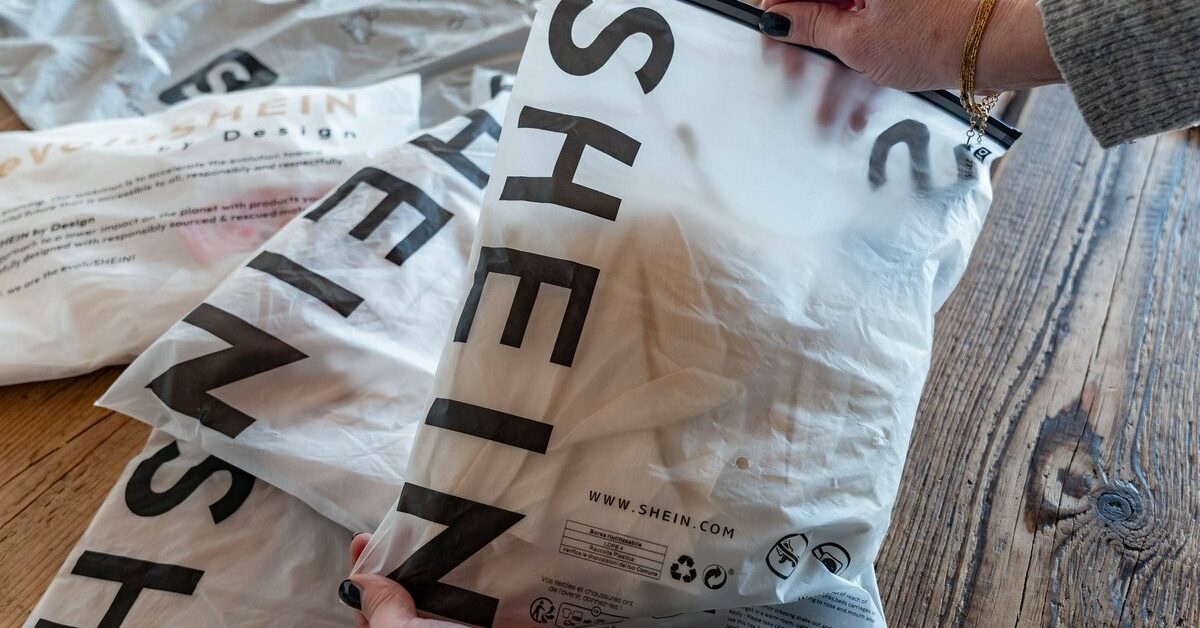
This growth is directly linked to the popularity of Chinese platforms such as Temu, Shein, and AliExpress.
In 2024, 91% of all small e-commerce consignments entering the EU originated from China.
Why now?
The problem has been building for years. With the rise of discount platforms, increasing amounts of non-compliant goods have entered the EU market. EU retailers also complain about unfair competition, as they must comply with strict regulations and pay all applicable taxes. In addition, customs authorities are overwhelmed by the flood of parcels.
“Individual consumers have become importers themselves,” Politico quoted one EU diplomat as saying, noting that this makes product safety control nearly impossible. Dutch Member of the European Parliament Dirk Gotink, the lead negotiator on customs reform, emphasized to Politico that such parcels are not cheap for society. “Customs controls, waste management, and unfair competition all generate significant social costs,” he said.
Part of the revenue from the new fee will be directed to national customs authorities to cover their costs, while the remainder could go to the EU budget, including helping to repay joint loans taken to finance the post-pandemic recovery fund.