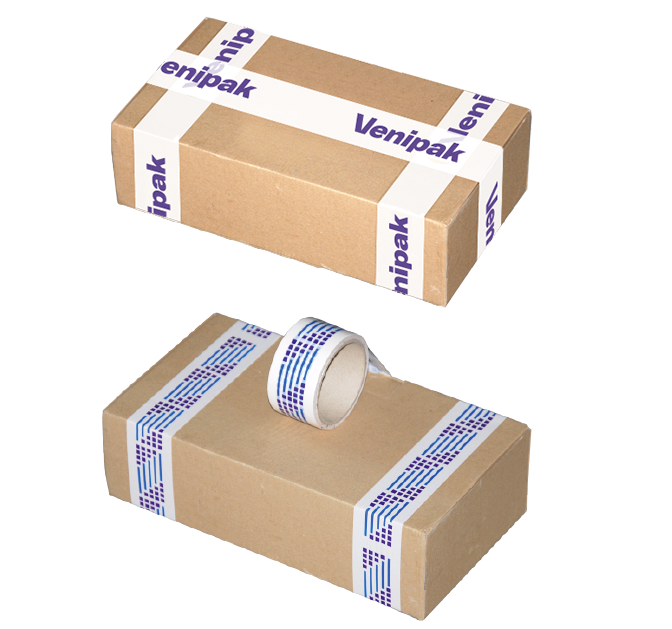
Adequate packaging is the packaging that protects the goods or valuables contained within and protects the environment against the risks arising from the packed product or the packaging itself.
All dispatched goods or valuables must have external packaging (a corrugated cardboard or a wooden box, a paper envelope, a plastic envelope/bag, or a cardboard postal tube) depending on the specific properties of the goods or valuables. Original manufacturer’s packaging is not considered to be appropriate packaging suitable for transportation.
ATTENTION! If the packaging is inadequate or inappropriate, the Carrier shall not be liable for safe transportation of the consignment and shall not compensate any losses incurred by the Customer thereof, and may make a claim against the Customer for the damage incurred by the Carrier or third parties.
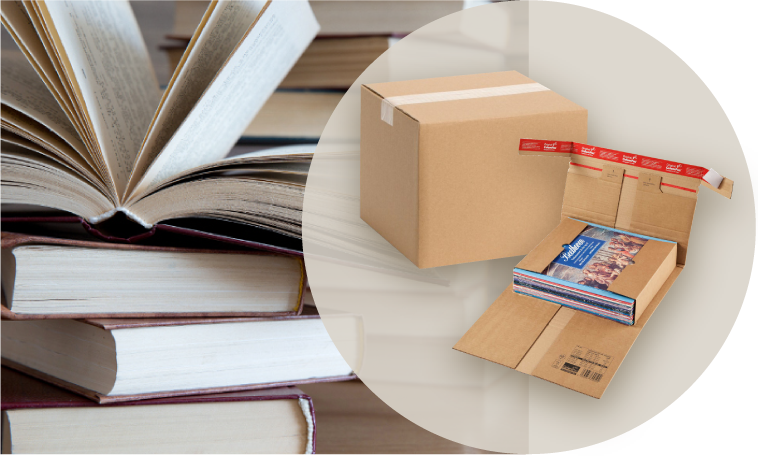
Books
- Send your parcel in a new rigid corrugated cardboard package / box.
- Do not use for your item a box that is too big for the item due to the risk of it crashing from side to side during transportation.
- If hollow spaces are left inside the box, fill them with some kind of filling (for instance, paper, plastic foam or bubble wrap).
- Wrap the corrugated cardboard box with adhesive tape across the whole size at least in three places so that the box does not open and holds the contents.
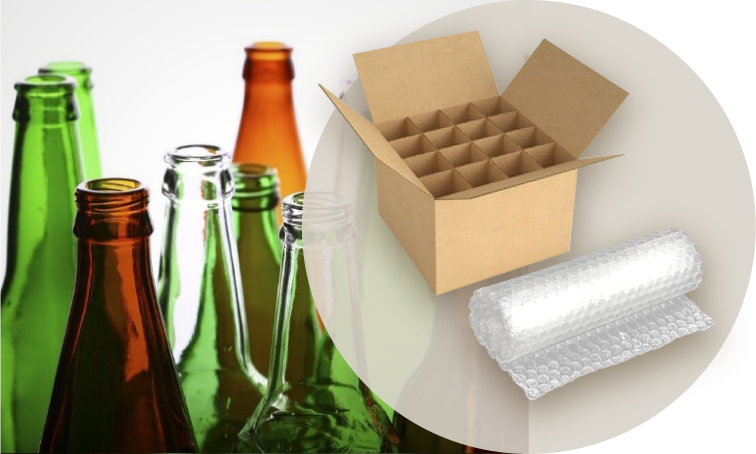
Glass containers, fragile items
(glass, chinaware, ceramics, stoneware, etc.).
- Send inside a new rigid corrugated cardboard box .
- Isolate fragile items from each other by using cardboard partitions, bubble wrap, plastic foam.
- When sending sculptures, cups, etc., wrap any protruding parts separately (sculpture ends, cup handles, etc.) so that they do not break during transportation. Protective material around the item must make at least 5 cm protective space.
- When sending liquids in glass containers make sure that their lids are protected, i.e., the lids may only be opened by removing the security seal. If appropriate protection is missing, protect container lids additionally (for instance, by wrapping with adhesive tape).
- If hollow spaces are left inside the box, fill them with some kind of filling (for instance, paper, plastic foam or bubble wrap).
- When sending ceramic, stone or glass items (for instance, washers, mirrors, etc.), present them on a pallet of appropriate size (quarter-size, half-size, etc.) so that the item does not protrude from the pallet and is not damaged.
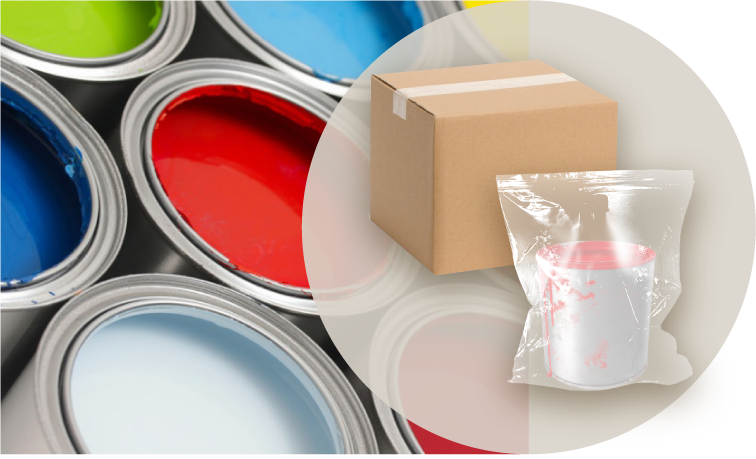
Paint
- Send in a new rigid corrugated cardboard box.
- Make sure that their container lids are protected, i.e., the lids may only be opened by removing the security seal. If appropriate protection is missing, protect container lids additionally (for instance, by wrapping with an adhesive tape).
- Put paint (as well as fillers, hardeners, etc.) that may open from side pressure into separate plastic bags, protecting other items in the package in case of leakage.
- If hollow spaces are left inside the box, fill them with some kind of filling (for instance, paper, plastic foam or bubble wrap).
- Wrap the corrugated cardboard box with adhesive tape across the whole size at least in three places, so that the box does not open and holds the contents.
- Adhere the note “PAINT” on the side where the top of the container with lids is additionally next to the label.
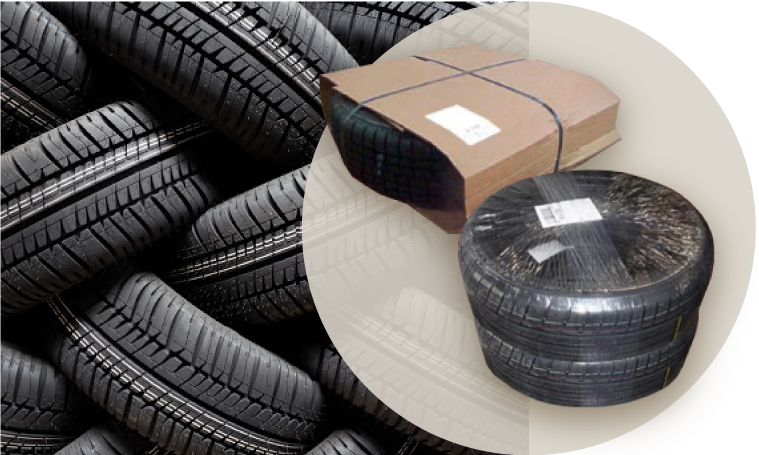
Tyres
- Send wrapped in a one-piece cardboard sheet or with shrink wrap film.
- Adhere the parcel sticker on an even (flat) surface so that the sticker does not detach and fall off during transportation or sorting.
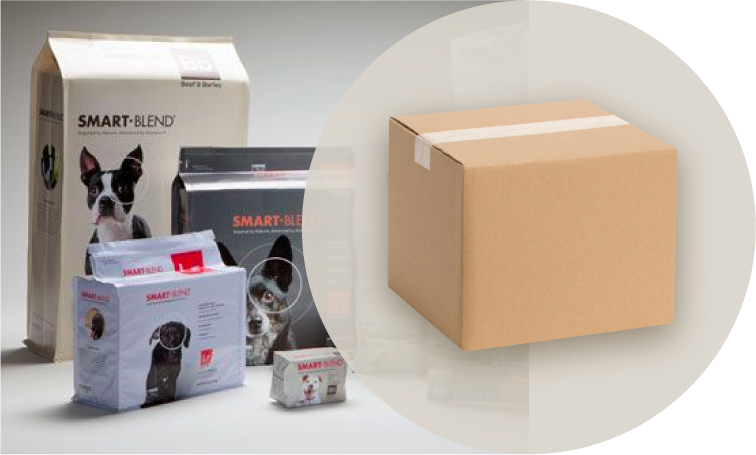
Animal feed
- Send in a new rigid corrugated cardboard box that will withstand the weight of the goods.
- Wrap the corrugated cardboard box with adhesive tape across the whole size at least in three places, so that the box does not open and holds the contents.
- If such parcels are sent on a pallet, remember to put a cardboard sheet on the pallet bottom and protect the goods’ edges with cardboard corners.
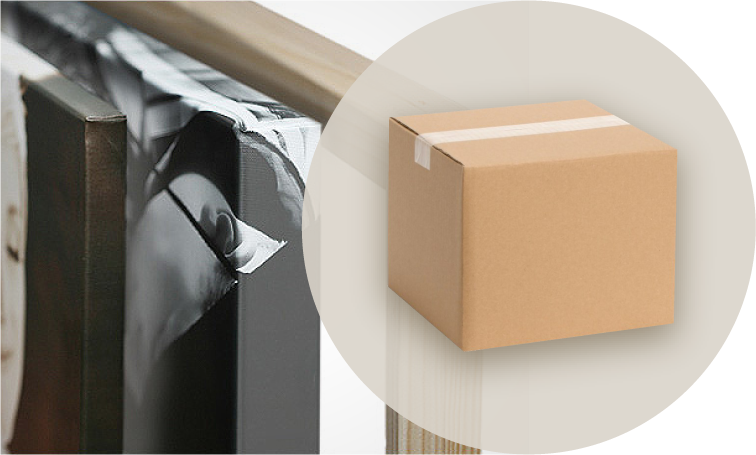
Framed pictures, photos, canvases
- Surround / wrap them in thick cardboard, polystyrene or bubble wrap layer.
- Send in a new rigid corrugated cardboard box.
*High-value artworks are not carried.
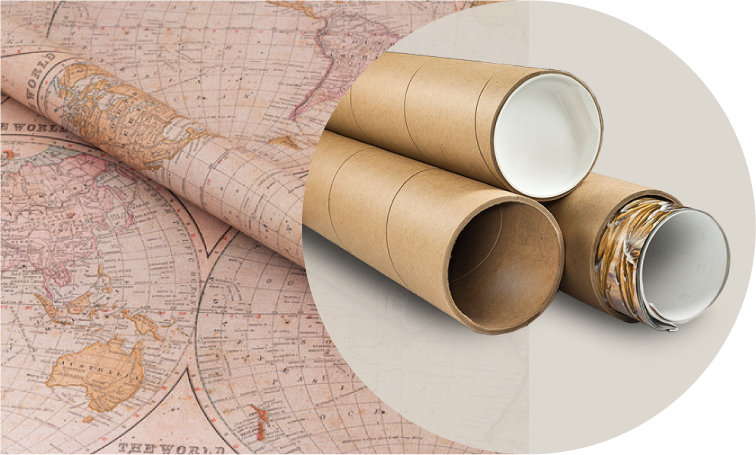
Maps, posters, drawings
- Roll them.
- Send in a new corrugated cardboard or plastic tube.
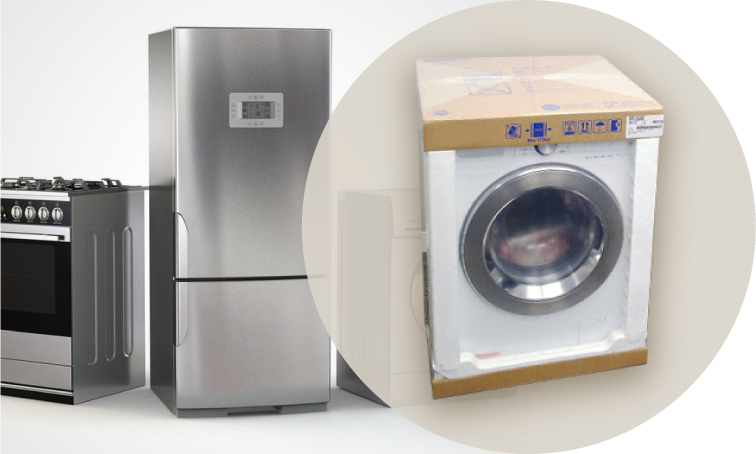
Large domestic appliances
- Protect the top and the bottom of the parcel with cardboard constructions and protect the sides with a thick layer of plastic foam.
- Present such items on a pallet the base of which is bigger than the base of the item being sent (i.e., make sure that the item does not protrude from the pallet due to the risk of damage to the protruding parts during transportation or sorting).
- Use pallets of an appropriate size for heavy but smaller packages (quarter-size, half-size).
- Use a sufficient amount of shrink film / adhesive tape.

Electronic devices
(telephones, laptops, tablets, etc.)
- Manufacture / trade packaging is not suitable for transportation, so it is necessary to choose transportation packaging for protection: a new rigid corrugated cardboard box.
- If hollow spaces are left inside the box, fill them with some kind of filling (for instance, paper, plastic foam or bubble wrap).
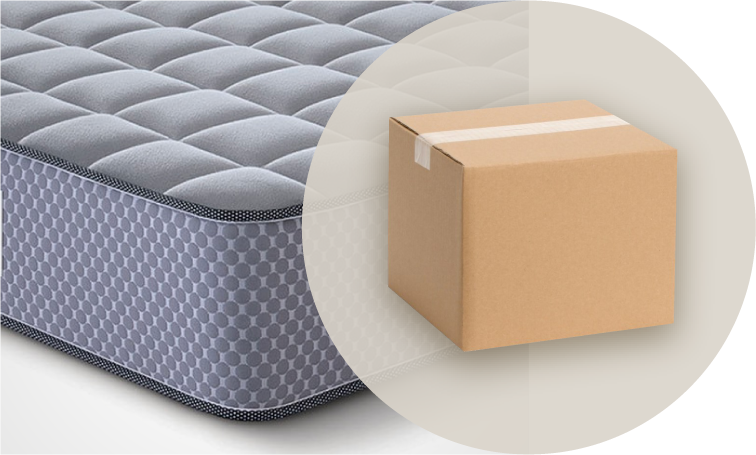
Mattresses
- Roll the mattress into a roll.
- Send in a new corrugated cardboard box.
- Do not use a box that is too big for your item(-s) due to the risk of being pressed during transportation.
- If hollow spaces are left inside the box, fill them with some kind of filling (for instance, paper, plastic foam or bubble wrap).
- Wrap the corrugated cardboard box with adhesive tape across the whole size at least in three places, so that the box does not open and holds the contents.
Size
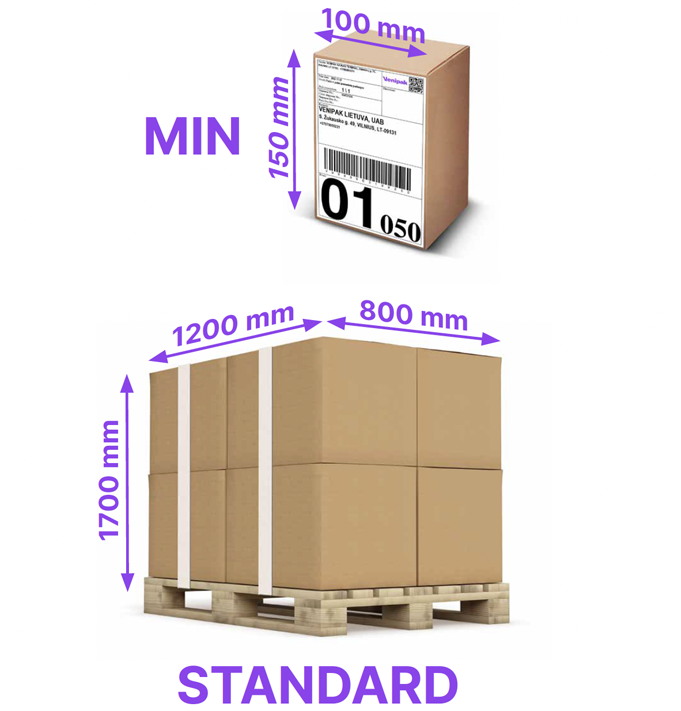
- Minimum size of a package must be sufficient to attach a packaging label of 100 mm x 150 mm to one of the sides of the package. If a package is too small, it is difficult to attach the label properly, and if the label cannot be scanned, the package cannot be transported.
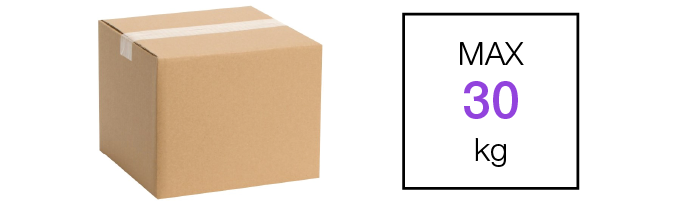
- The standard weight of a package is up to 30 kg in Estonia and Latvia (up to 25 kg in Lithuania). The length of the longest side is 1200 mm.
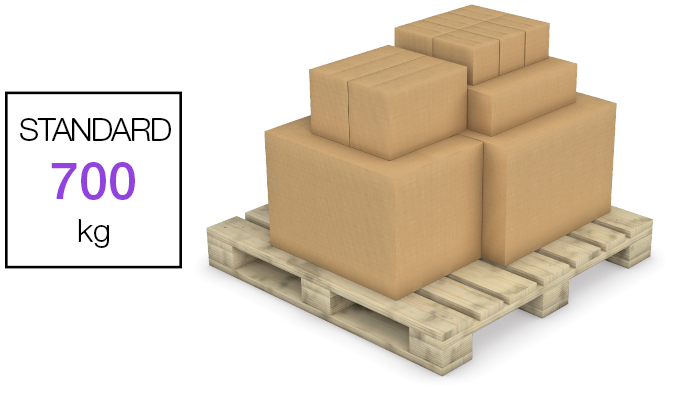
- The standard packaging (pallet) size is: 1200 mm x 800 mm x 1700 mm.
- Please contact our Customer Service Department regarding the transportation of non-standard packages.
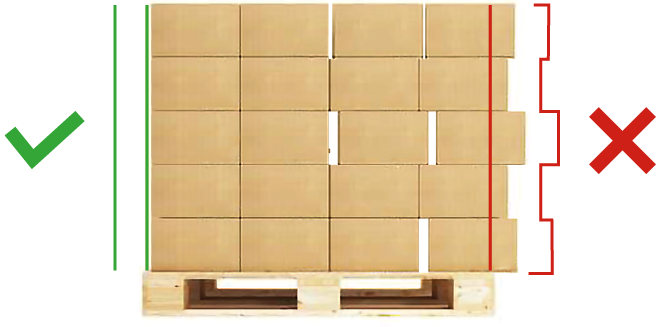
- Goods or items (or parts thereof) may not protrude out of the package and/or pallet, because during loading to a vehicle or sorting in the distribution terminal protruding parts may get damaged.
- All packages must travel separately. Several packages attached together as one package is considered inappropriate packaging.
Weight
- Maximum weight of a package may not exceed 30 kg in Estonia and Latvia (25 kg in Lithuania). The standard weight of a pallet is 700 kg.
- Maximum weight of a pallet may not exceed 900 kg.
- Large packages or packages in excess of 30 kg (EE, LV) / 25 kg (LT) must be provided for transportation on pallets or in packaging that allows standard mechanical cargo loading equipment to be used. Heavier pallets must be re-packed into several pallets so that this weight is not exceeded.
- For heavy but smaller packages, pallets of an adequate size must be used (quarter pallets, half pallets).
- Packages weighing more than 30 kg in Estonia and Latvia (25 kg in Lithuania) are not delivered to the recipient’s door without the additional 4 hands (carrying) service. If the service has not been ordered, the shipment is handed over to the recipient at the courier’s vehicle.
Rigidness and stability
- Only new, rigid corrugated cardboard boxes, envelopes or plastic bags shall be used for packaging.
- Rigid (cardboard) boxes with smooth sides (preferably – new) must be used for packaging to make it possible to lift the package held by its sides without any items contained therein falling out. A package may not contain heavier goods than the package can hold. Shrink wrap, a polyethylene bag, a paper bag or cloth are not considered adequate or appropriate packaging.
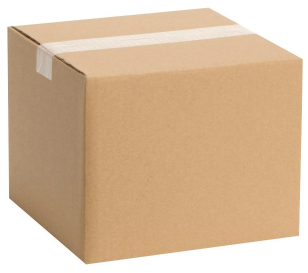
Cardboard box – for products sensitive to pressure, impact or vibration.
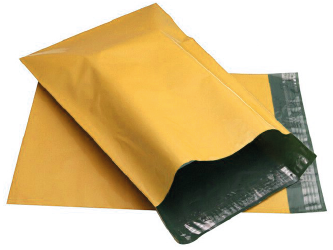
Envelope, plastic bags – For flexible, pressure-resistant packages.
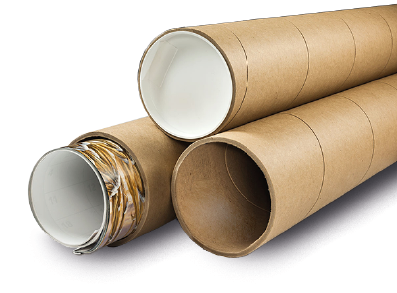
Cardboard postal tube – for products sensitive to pressure, impact or vibration.
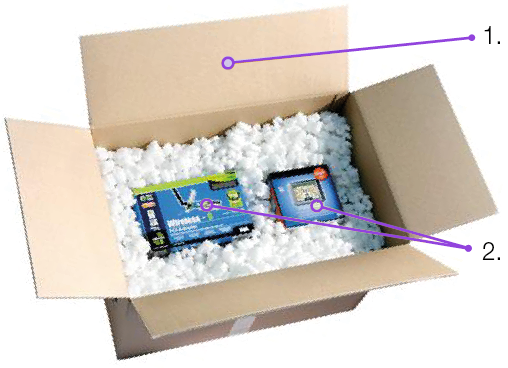
- Please note that the original manufacturer’s packaging is not suitable for transportation. To prevent such packaging from being damaged during transportation, it must be packed using the packaging suitable for transportation.
- Packaging for transportation
- Original manufacturer’s packaging
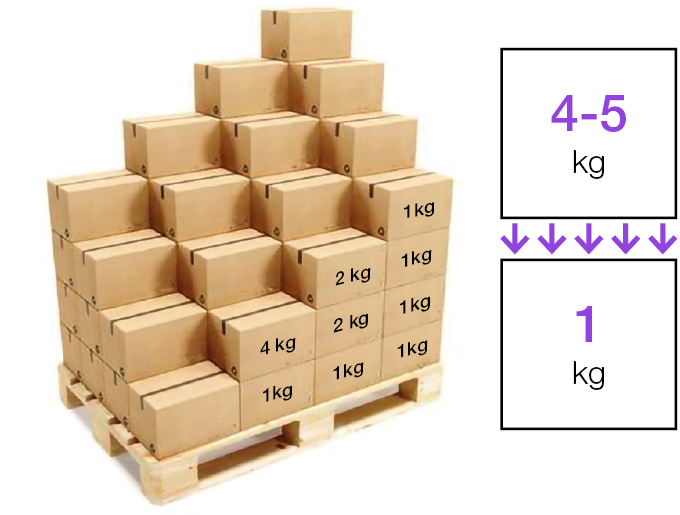
- Packages will be stacked on top of each other, so their sides must be rigid to withstand the pressure without collapsing from the weight 4–5 times greater than their own weight.
- Packages stacked on a pallet must be rigid so that they would neither press each other nor slip to the sides. To this end, sufficient amount of shrink wrap/tape must be used.
- Packaging must protect the items against damages as a result of turning, shaking or pushing the package or dropping the package from the height of not more than 1 m, and temperature ranges of 25–40°C.
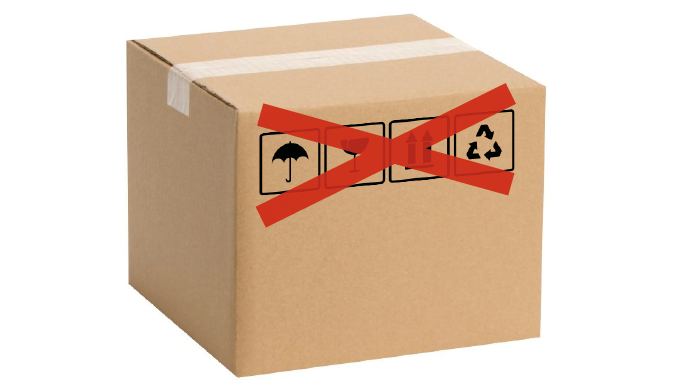
- No special markings such as “do not turn over”, “fragile”, etc. shall be attached, because they are not taken into account during transportation sorting or transhipment processes.
- Oversized, non-standard, out-of-gauge or volumetric shipments must be placed on pallets even if their weight does not exceed 30 kg in Estonia and Latvia (25 kg in Lithuania), but the shipment does not have packaging that protects it from contact with other shipments and other shipments cannot be placed on top of it (e.g. wardrobes, machine-tools, advertising stands, assembled furniture, induction or glass ceramic hobs, glassware, etc.). In such cases, the base of the pallet must be larger than the base of the shipped product.
- When shipping windows, glazed units, mirrors and ceramic/stoneware items (toilets, sinks), they must be placed on a pallet/half-pallet.
- When shipping goods/items that must always remain in a horizontal or vertical position, they must be placed on a pallet.
- When shipping goods such as engines, boilers and compressors, additional fastening must be used by screwing the goods to the base of the pallet/half-pallet.
- Goods or valuables placed on a pallet that are sensitive to pressure or contact with other shipments must have external packaging.
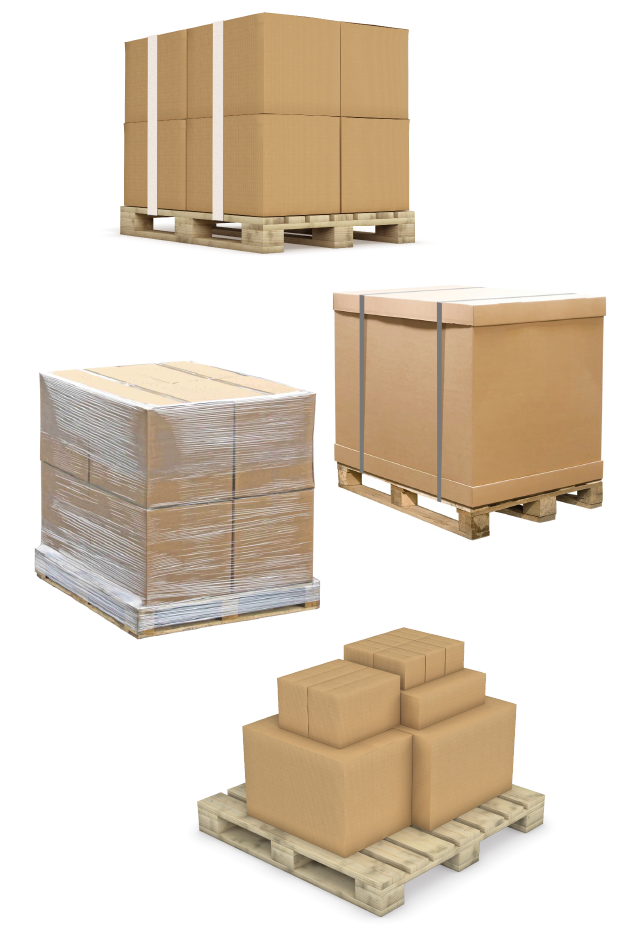
- Oversized goods/items must be packed in packaging suitable for transportation to protect the goods or items from damage during loading, sorting and transportation (such goods or items cannot be provided in packaging not intended for transportation, without packaging, wrapped only in thin film, etc.).
- The external packaging of the shipment must withstand a diagonal drop from a height of 1 m.
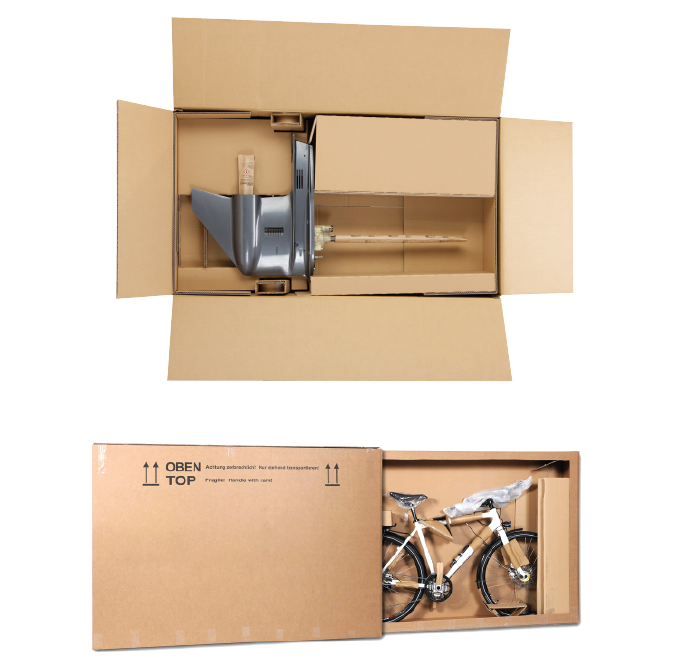
Filling a package
- Empty space within a package must be filled with packing material (paper, shaving, cotton, plastic foam, bubble wrap). If the empty space is not filled, items inside the package will not be stable, knock against each other and against the packaging thus standing a risk of sustaining breaking or other damage. Do not use the box which is too big for your item and therefore requires filling as there is a risk that the box may be crushed during transportation.
- Where glass containers/ceramics or any other breakable items are sent, they have to be isolated from each other by cardboard inserts, bubble wrap or plastic foam to prevent from being damaged during transportation.
- The items must not have contact with the sides of the box and this can be ensured using packing material. Paper may be used for very light packages. Any gaps between the sides of a box and an item (including original manufacturer’s packaging) must be filled with packaging material.
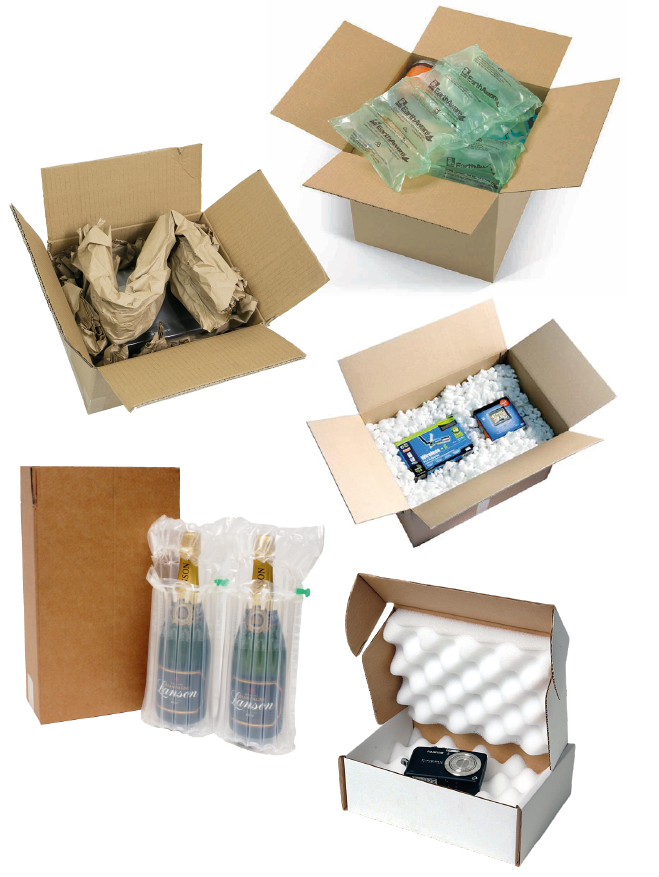
Leak tightness
- If liquids are sent in tanks or special containers, make sure that their lids are protected, i.e. the lids may only be opened by removing the security seal.
- If liquids are in metal containers, which may open under pressure (paint, hardeners, plasters, etc.), each such container must be placed in a separate plastic bag to protect other goods within the package in case of a spillage. The VENIPAK label must be placed on the side of the package with the lids at the top. In addition, it must be marked “paint” next to the label.
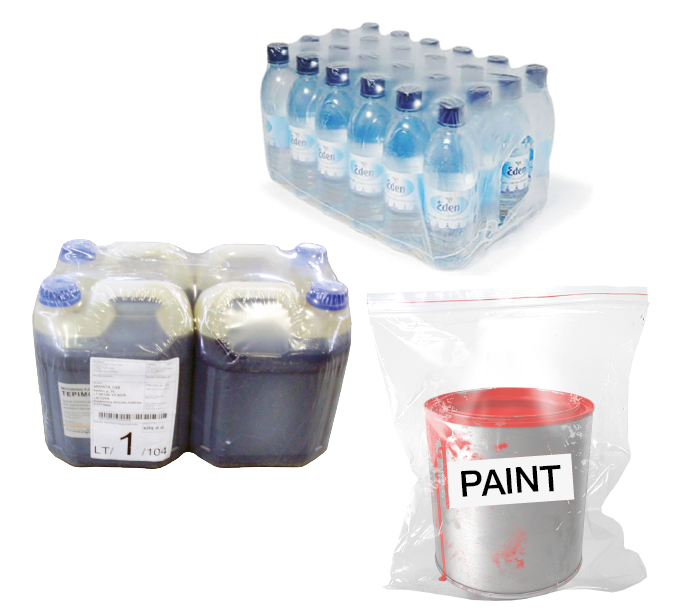
Taping
- Corrugated cardboard boxes must be taped with adhesive tape wrapped around the box in three places at least. If too little adhesive tape is used the box may fail to hold the items within and may open.
- Packaging must make it impossible to access the content of a package without damaging the package itself.
- We suggest using a special adhesive tape with logos that can only be purchased by placing a special order.